
Steampunk Portrait Photography: Photographic Playtime
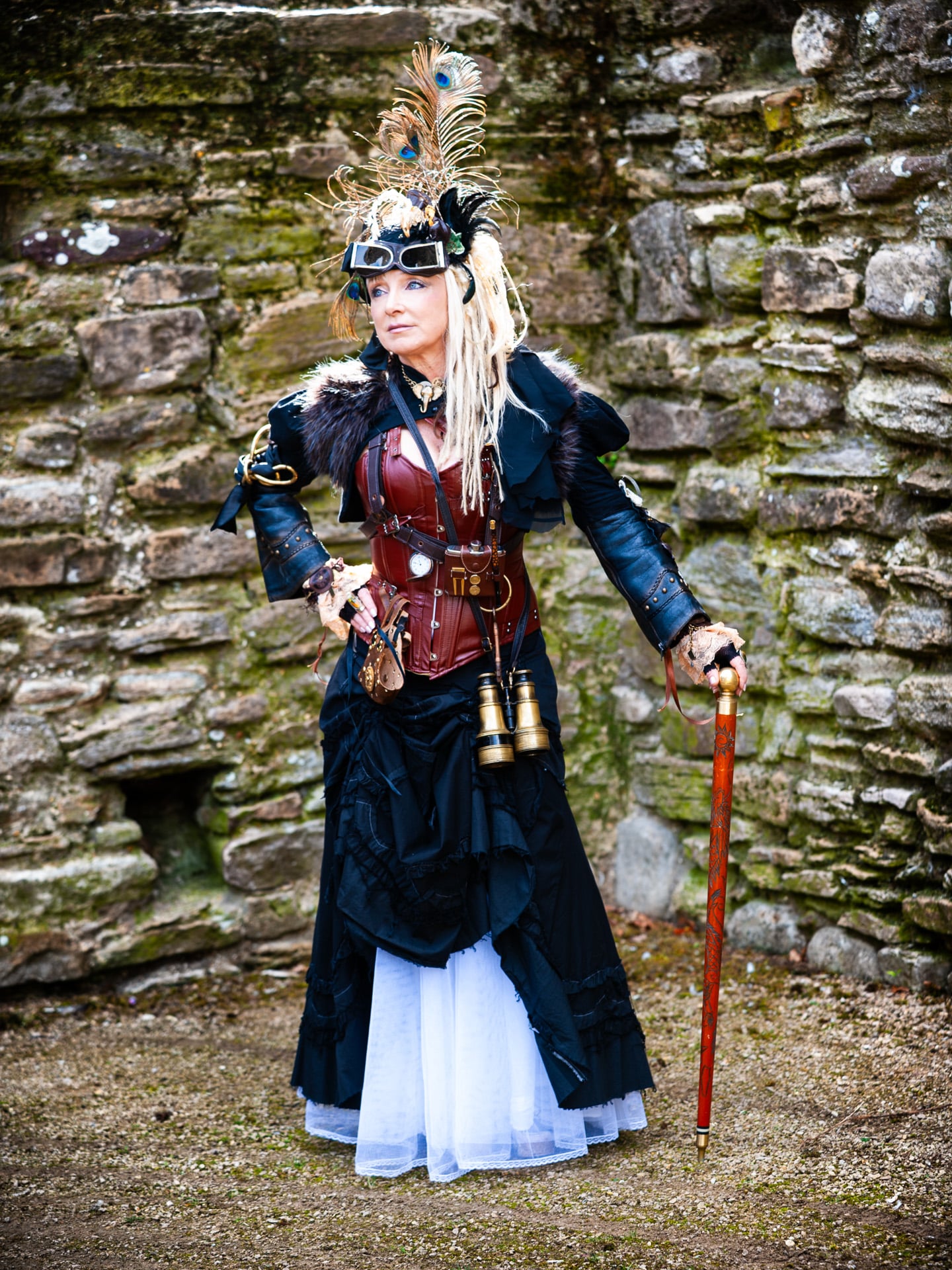


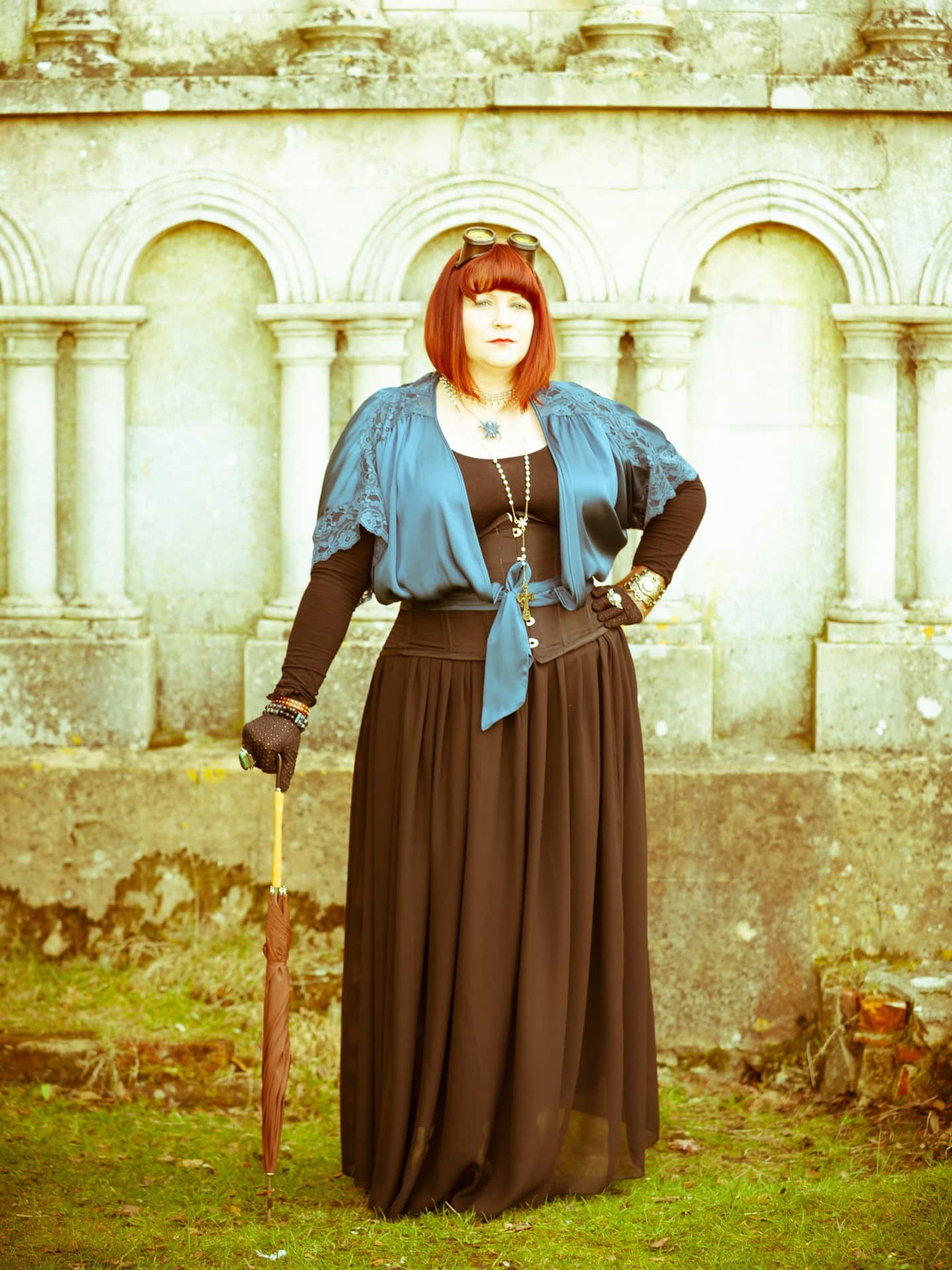


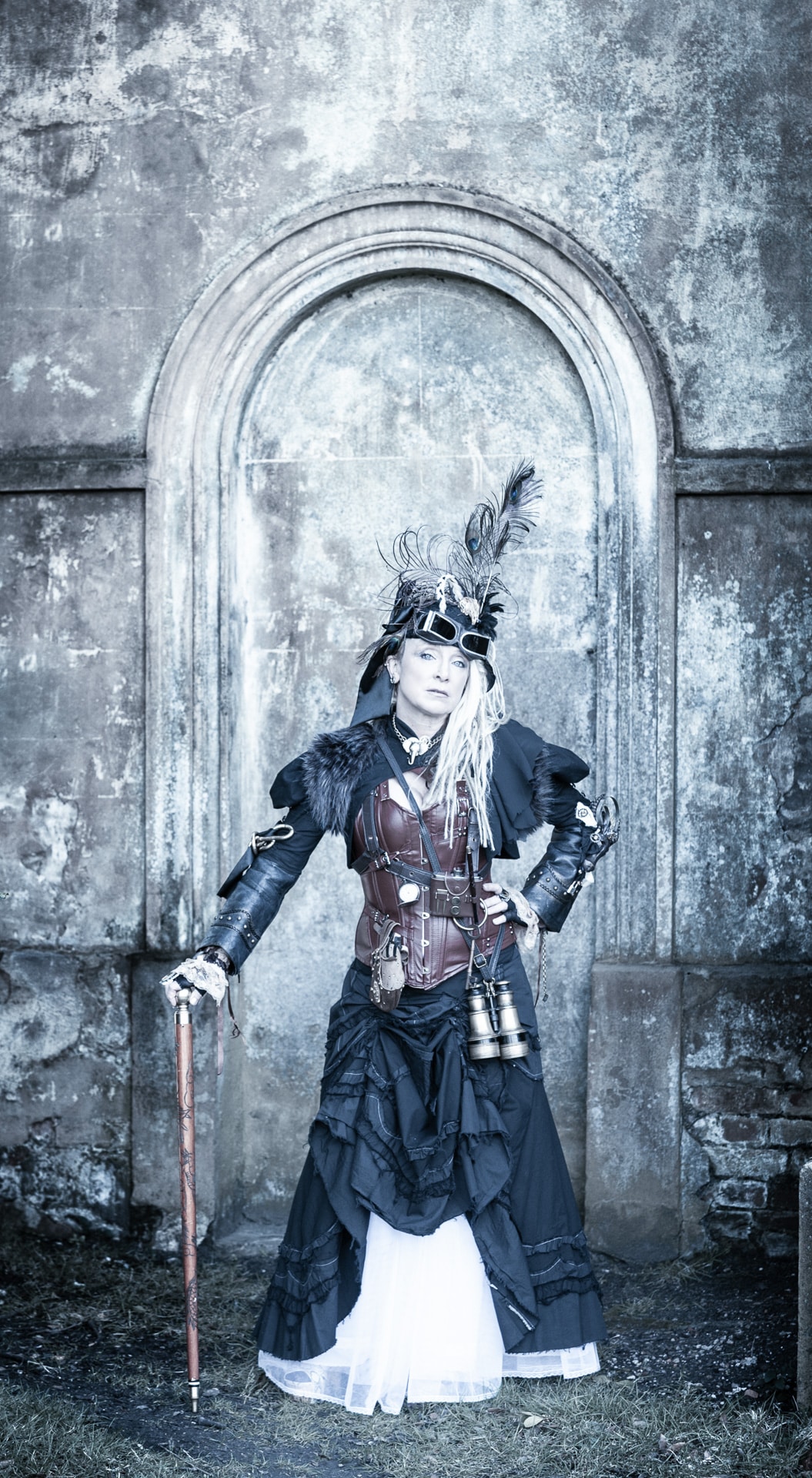


A day of photographic play
Back in 2012, I organised a little photographic play session with two other photographers, a handful of willing volunteers and a healthy dose of Steampunk imagination. We spent the day photographing around two wonderfully atmospheric Christchurch landmarks — the Norman House and Mrs Perkins’ Mausoleum — using the historic surroundings as a backdrop for our experiments. The idea was simple: get together, put some cameras in our hands and have the freedom to practise posing, composition and different camera techniques, before taking the images away to edit in our own styles.
The Steampunk participants were wonderfully generous with their time and creativity, turning up in fantastic costumes and throwing themselves into the spirit of the day. For us photographers, it was a chance to concentrate on the craft without the pressure of a paying client or a particular brief. We could try something, look at the result, change our approach and try again. Sometimes those unstructured sessions are where you learn the most — and they’re certainly a good excuse to play with your camera.
A little piece of photographic history
And then, rather woefully, these photographs disappeared onto my hard drive. The Steampunks themselves did get to see the images at the time — I shared them on Facebook — but somehow I never got around to giving the session a proper home on my website. Fourteen years later, while digging through old work, I found them again and realised that there was still plenty here that I enjoyed. Photography has changed enormously since 2012, as have cameras, software and the way we share our work, but a good subject, interesting light and a group of people willing to have some fun in front of the camera remain much the same.
Steampunk, imagination and photography
What I particularly enjoy about photographing Steampunk is the sheer amount of visual storytelling it offers. The clothing, props, textures and characters give you an extraordinary starting point, while locations such as Christchurch’s Norman House and Mrs Perkins’ Mausoleum add their own history and atmosphere to the photographs. But the photograph still depends on the same things as any portrait: light, composition, expression, gesture and the relationship between the person and their surroundings. These images were made primarily as an opportunity for us photographers to learn and experiment, but looking back at them now, I think they also capture something of the creativity and individuality that makes the Steampunk community so much fun to photograph. Perhaps it’s time I stopped leaving quite so many old photographs on the hard drive.
This shoot was also a great fit for my “Obsessions” project but was never featured there; perhaps I should resurrect it.
I’d love to create your photographic portrait
Your photographs capture fleeting moments that you’ll want to look back on for a lifetime. Have a look at my Portrait Photography Page
